Articles
Culture and nature in Kyrgyzstan
Read about Kyrgyzstan’s people, traditions, food and landscapes.
ArticlesLoading...
Any Questions?

Articles
Read about Kyrgyzstan’s people, traditions, food and landscapes.
Articles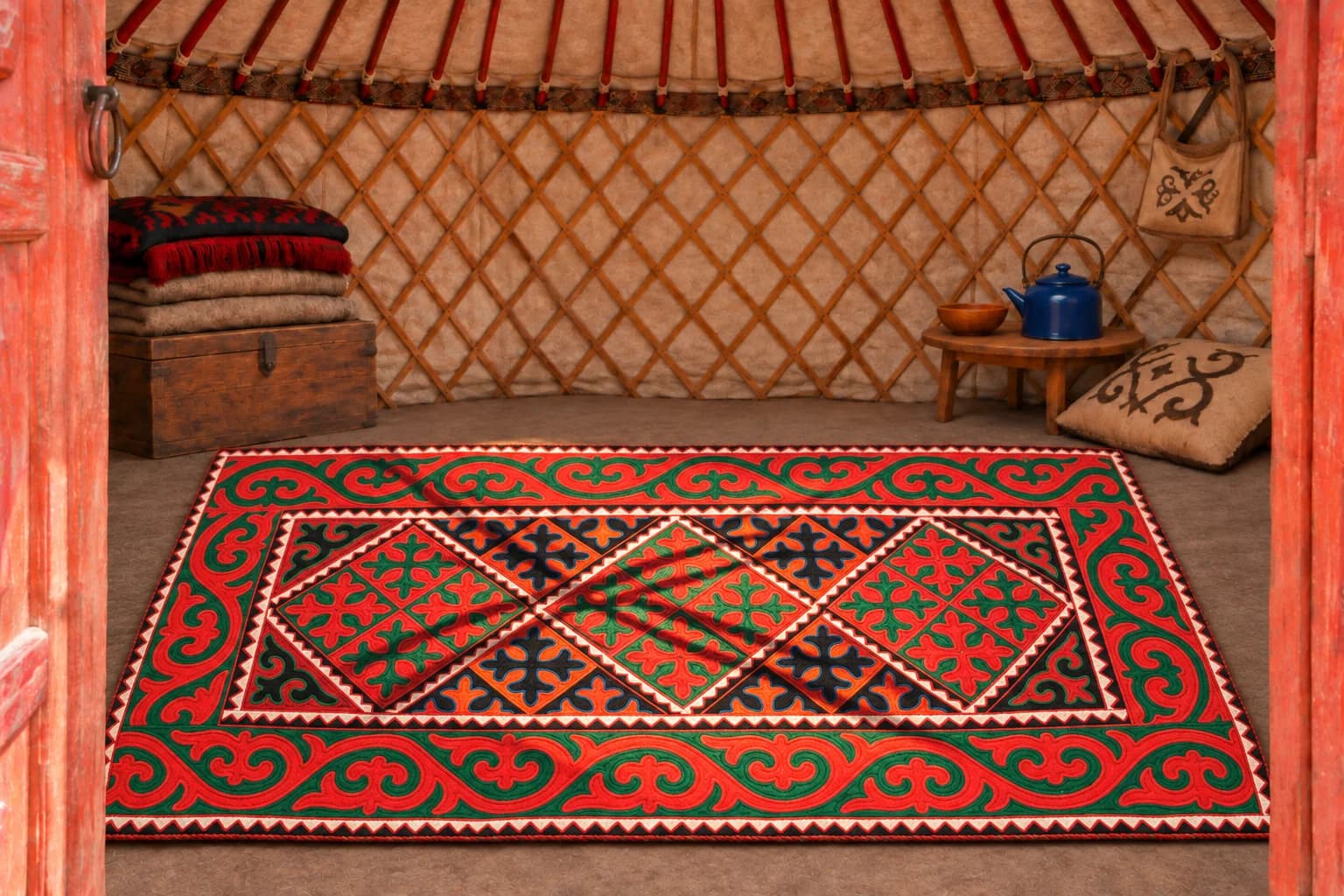
Discover how Kyrgyz artisans make a shyrdak, why one cut creates two patterns, and how to tell this traditional felt rug apart from an ala-kiyiz.

Discover Kyrgyzstan’s mountains, lakes, nomadic heritage, traditional food and the epic of Manas in this introduction to the Central Asian country.

A detailed guide to trekking to the beautiful Ala Kol Lake in Kyrgyzstan. Discover preparation tips, routes, and essential advice for an unforgettable adventure.
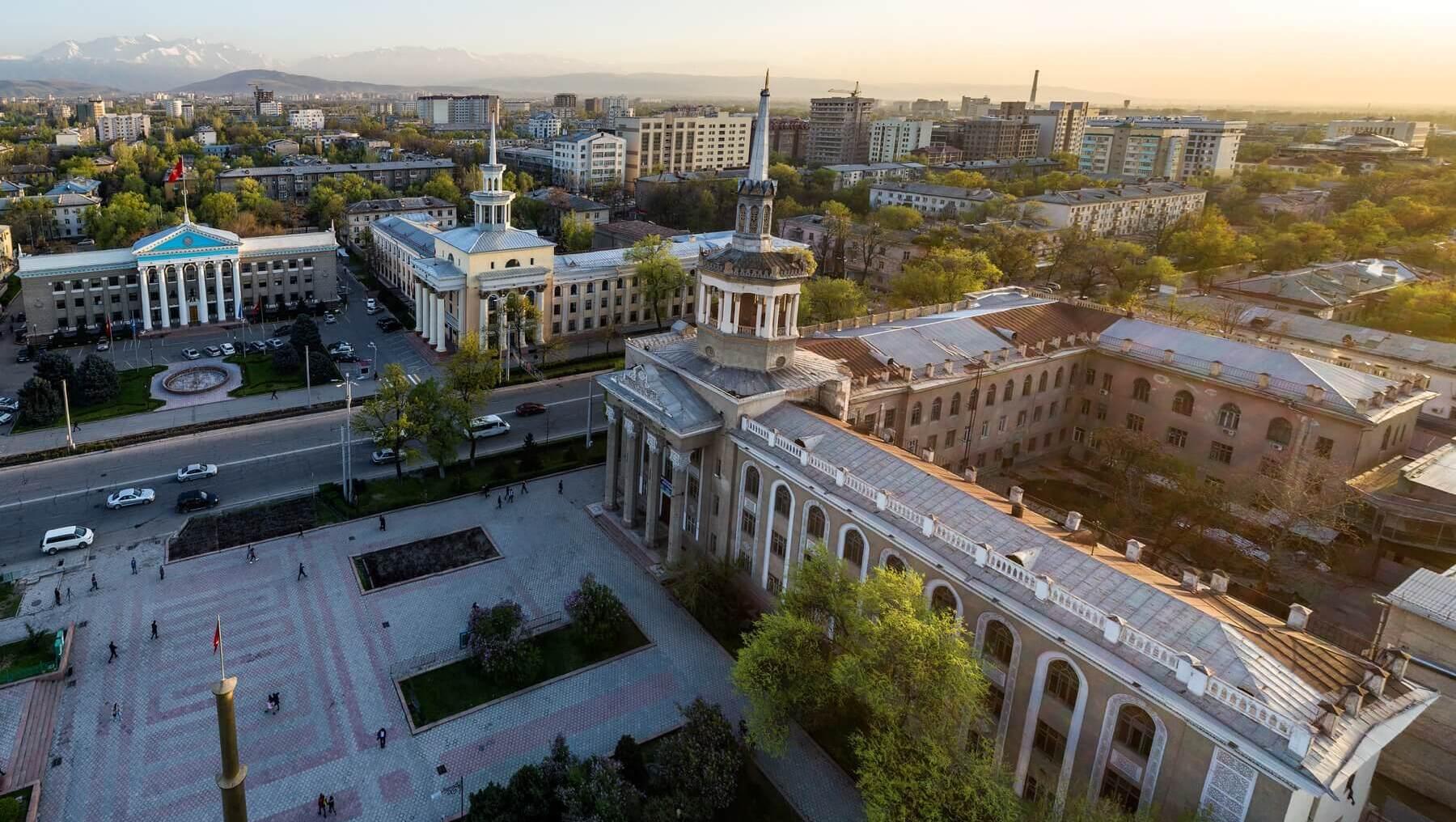
Bishkek pairs Soviet-era landmarks with lively markets, leafy parks, and a growing food scene. These ideas cover the city itself and several day trips beyond it.

Batken Region’s landscapes range from dry foothills to remote mountain valleys. The region also has protected natural areas and historic sites. Here are ten places mentioned in this guide:
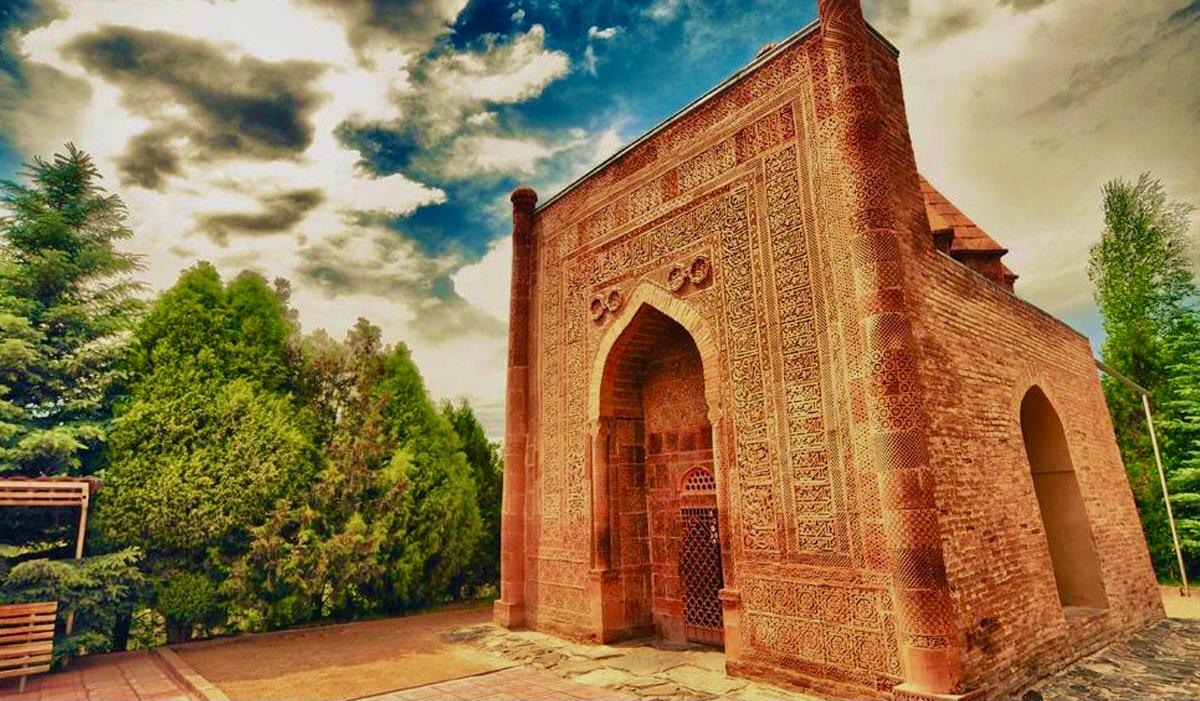
From the Talas Valley to the surrounding mountain ranges, this northwestern region combines historic sites with open landscapes. Here are ten places to know:

Jalal-Abad Region stretches from forested valleys to high mountain country. This guide highlights places to explore across the region:
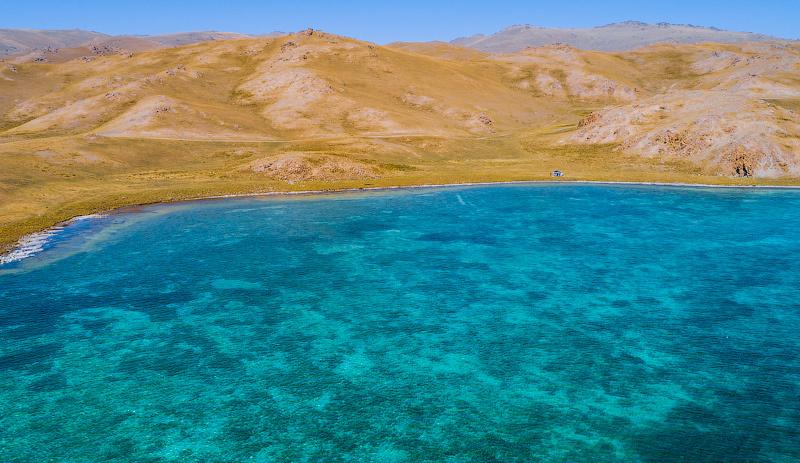
High mountain plateaus, broad valleys, and alpine lakes shape Naryn Region’s rugged landscape. Here are ten places to explore across the region:

Towns, gorges, and cultural sites line the shores of Issyk-Kul, a vast mountain lake in Kyrgyzstan. Here are ten places to explore around it:
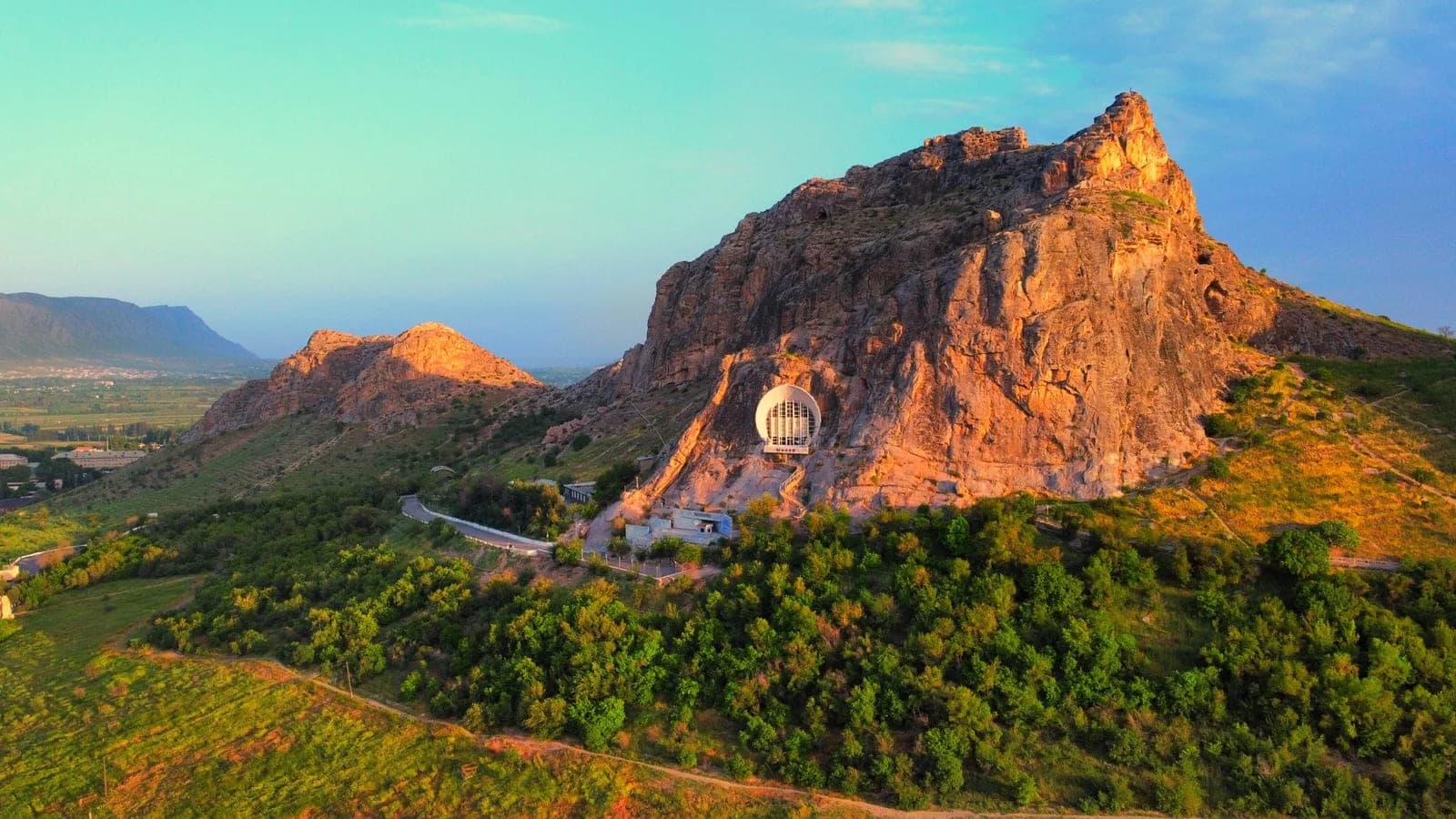
Explore the historic city of Osh alongside destinations across Osh Region, from an 11th-century minaret to mountain parks and the Alay Valley. Check current access before you travel.

Plan outings from Bishkek and trips through Chüy Region, from mountain gorges to historic sites. Check current access and opening information before you go.

This guide introduces selected state nature parks, nature reserves, and a UNESCO biosphere reserve. Protection status affects visitor access, so check current rules before planning a trip.

From Suusamyr’s summer pastures to the Alay and Chon-Kemin valleys, these places offer a cross-section of Kyrgyzstan’s mountain landscapes. Check local access and conditions before traveling.

Kyrgyzstan is divided into seven regions, with Bishkek and Osh administered separately. Here is a concise guide to each region and city.
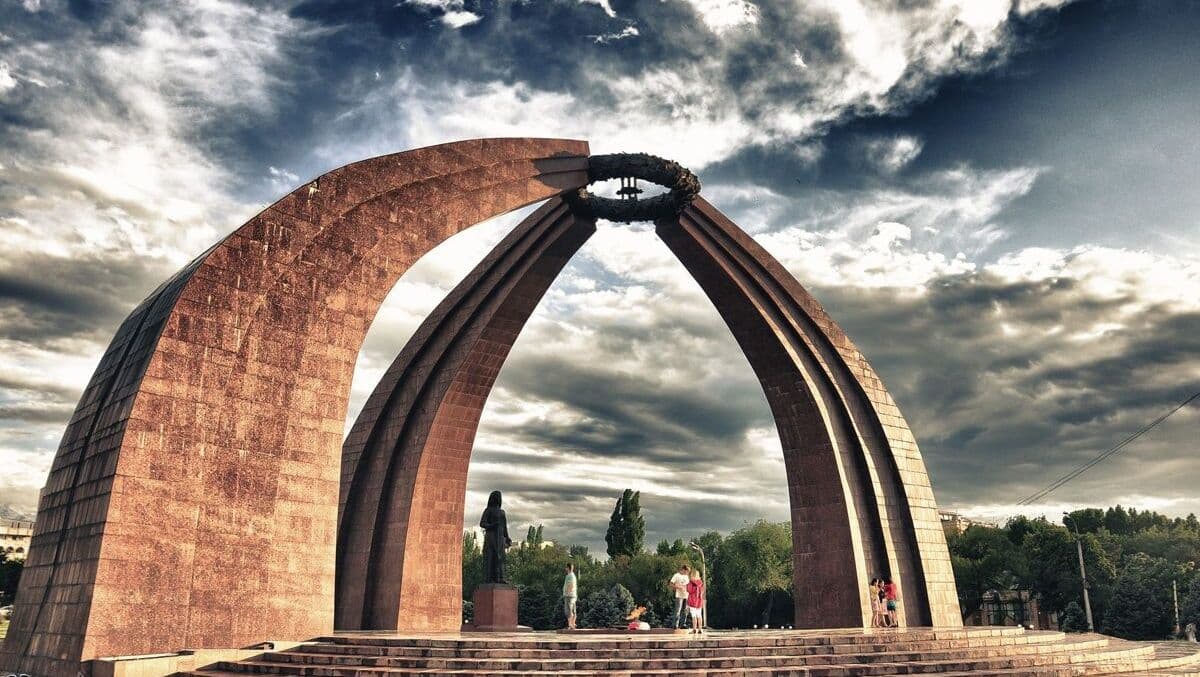
From capital Bishkek to southern Osh and lakeside Cholpon-Ata, these cities and towns offer different starting points for exploring Kyrgyzstan.
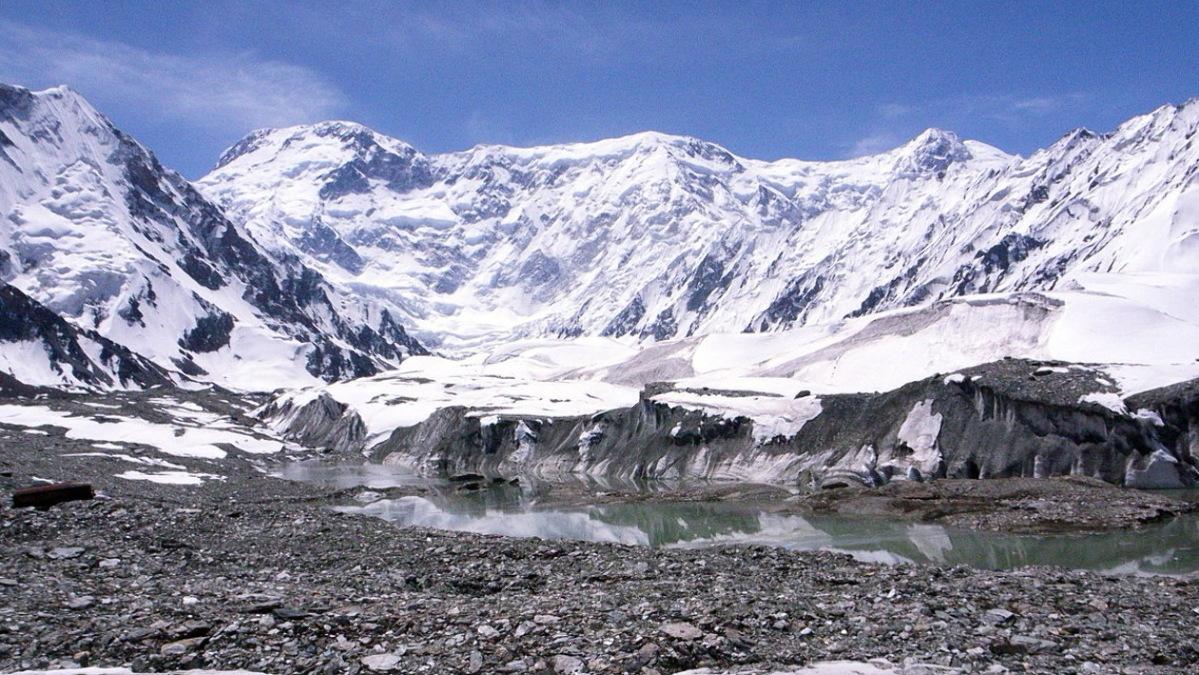
Kyrgyzstan’s highest summits rise in the Tian Shan and Pamir ranges. Published names and elevations vary across sources, so verify current mountaineering references before planning an ascent.

An overview of Kyrgyzstan’s religious history, its Muslim majority, other faith communities, and the constitutional protection of freedom of conscience.
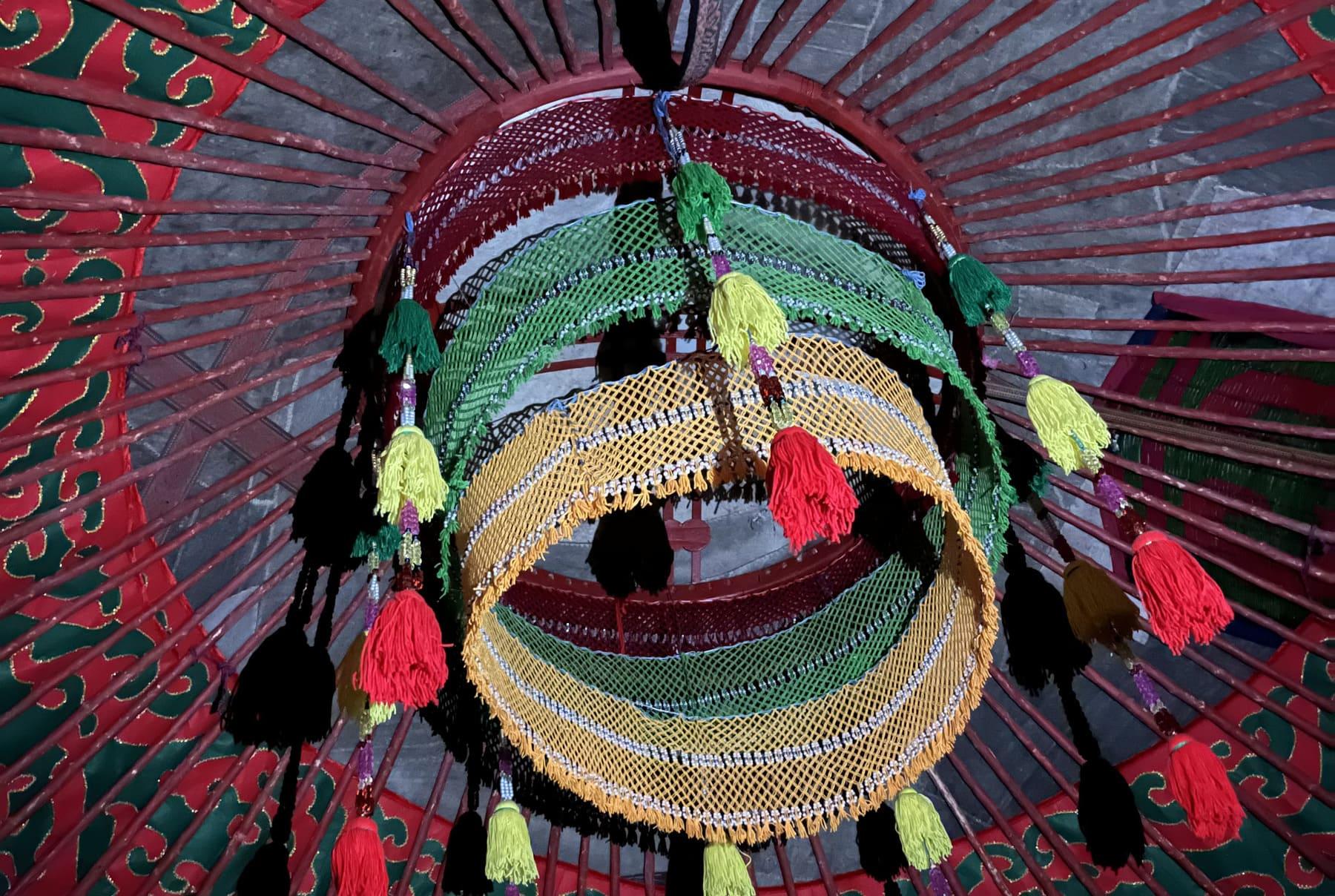
This collection brings together stories associated with Lake Issyk-Kul, the Epic of Manas, Jeti-Oguz, Burana Tower, Sary-Chelek, the Mother Deer, and Tash-Rabat.
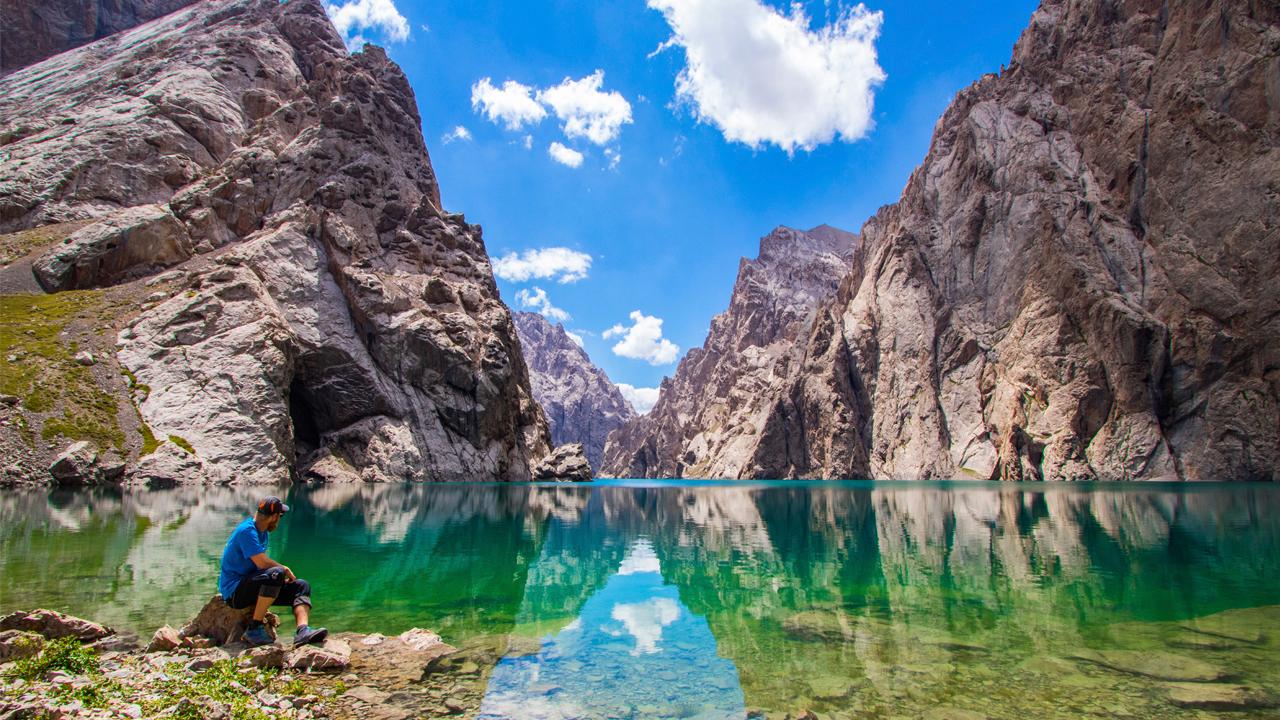
The best time to visit depends on your plans and elevation. Summer is a popular season for trekking, while spring, autumn, and winter each bring different conditions and activities.
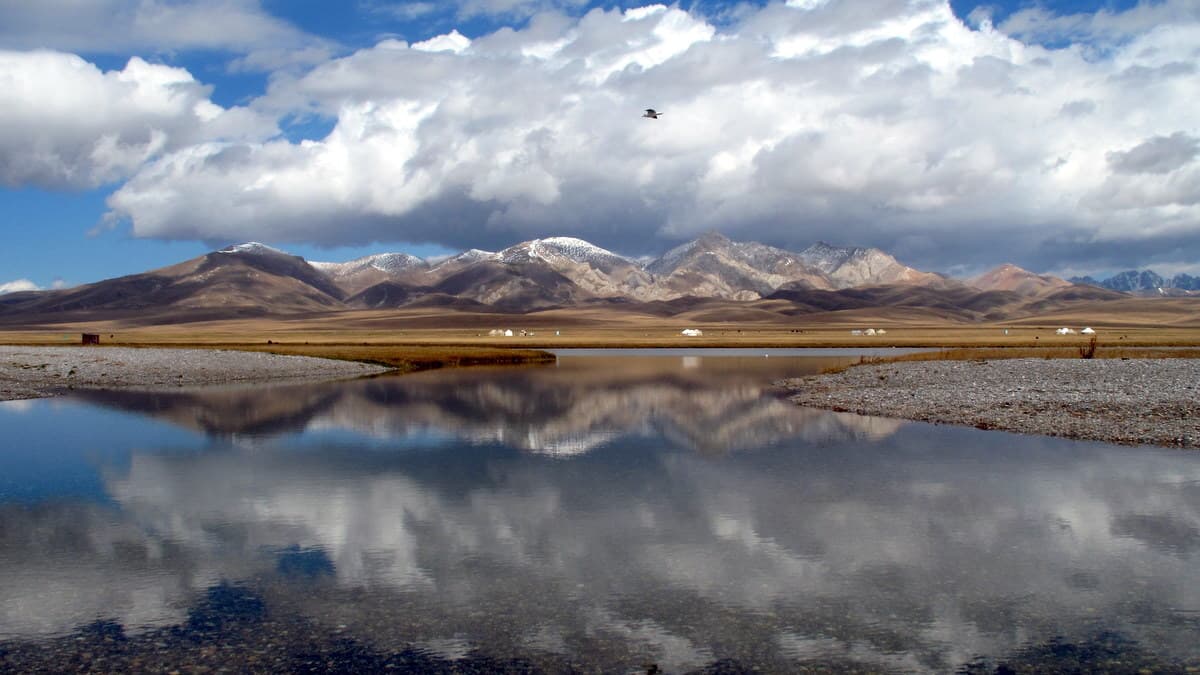
From mountain trails and alpine lakes to yurt stays and traditional food, these experiences offer different ways to explore Kyrgyzstan.

Learn how the Kyrgyz boz üy is built, what its main parts are called, and how yurt-making remains a living craft.

Explore the Manas epic, the storytellers who perform it, and the traditions connected with Manas Ordo near Talas.

Answers to common questions about entry requirements, border permits, travel conditions, food, health, and preparing for a trip to Kyrgyzstan.

Kyrgyzstan’s climate changes with the seasons and the landscape, from high mountain peaks to broad valleys and clear lakes. Knowing what to expect can help you choose what to pack and plan your route. Here are the essentials for preparing for the weather.

From Silk Road sites and rock art to museums and sacred places, Kyrgyzstan's historical landmarks reflect many layers of the region's past. This guide introduces ten sites and museums.

Kyrgyzstan's gorges range from river valleys and forested slopes to high-mountain routes. This guide introduces ten landscapes and the experiences available around them.

Kyrgyzstan’s waterfalls range from roadside cascades to falls reached by mountain trails. This guide lists ten waterfalls and describes their locations and surroundings.

Explore Kyrgyzstan through mountain hikes, lakes, historic sites and cultural activities. This list highlights ten ways to spend time across the country, from Ala-Archa National Park to the shores of Issyk-Kul.

Kyrgyzstan’s lakes sit among mountains, pastures and valleys. Depending on the lake, visitors can swim, boat, hike or ride horseback. This guide introduces ten lakes across the country.

Rivers and wind have shaped canyons across Kyrgyzstan into varied landscapes, from red rock formations to deep valleys. This guide introduces seven canyons and the scenery each is known for.
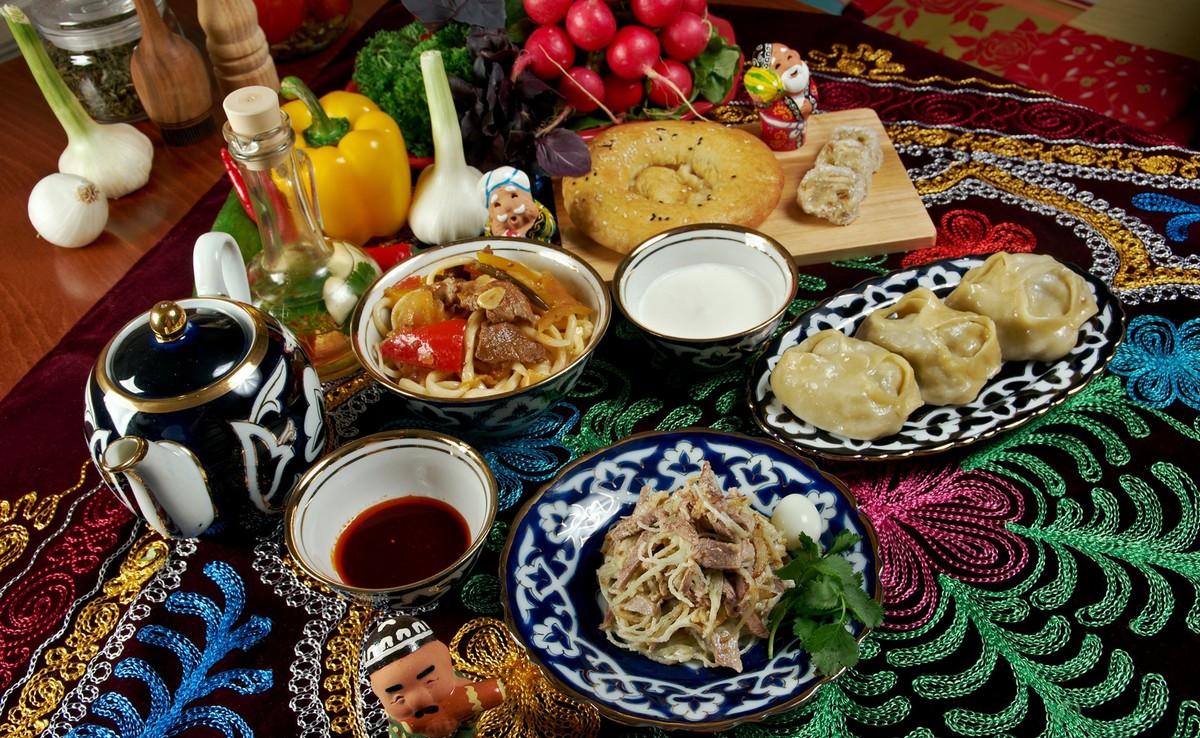
Kyrgyz cuisine draws on meat, dairy, bread and grains, with dishes shaped by a nomadic past. This guide introduces foods and drinks such as beshbarmak, shashlyk, kumiss and boorsok.

Kyz Kuumay, often translated as “chasing the girl,” is a traditional equestrian game in which a young woman rides ahead and a young man follows. Ethnographic accounts also describe the game in wedding festivities. It is not a coming-of-age ceremony, and its presentation can vary by place and event.

Ordo is a traditional Kyrgyz team game played with knucklebones inside a marked circle. Players use a larger striker to break the opposing formation and knock the central khan piece out of the circle.

Toguz Korgool is a Kyrgyz strategy game in the mancala family. Learn how its board and playing pieces work, what is known about its history, and how to find an opportunity to watch or play.
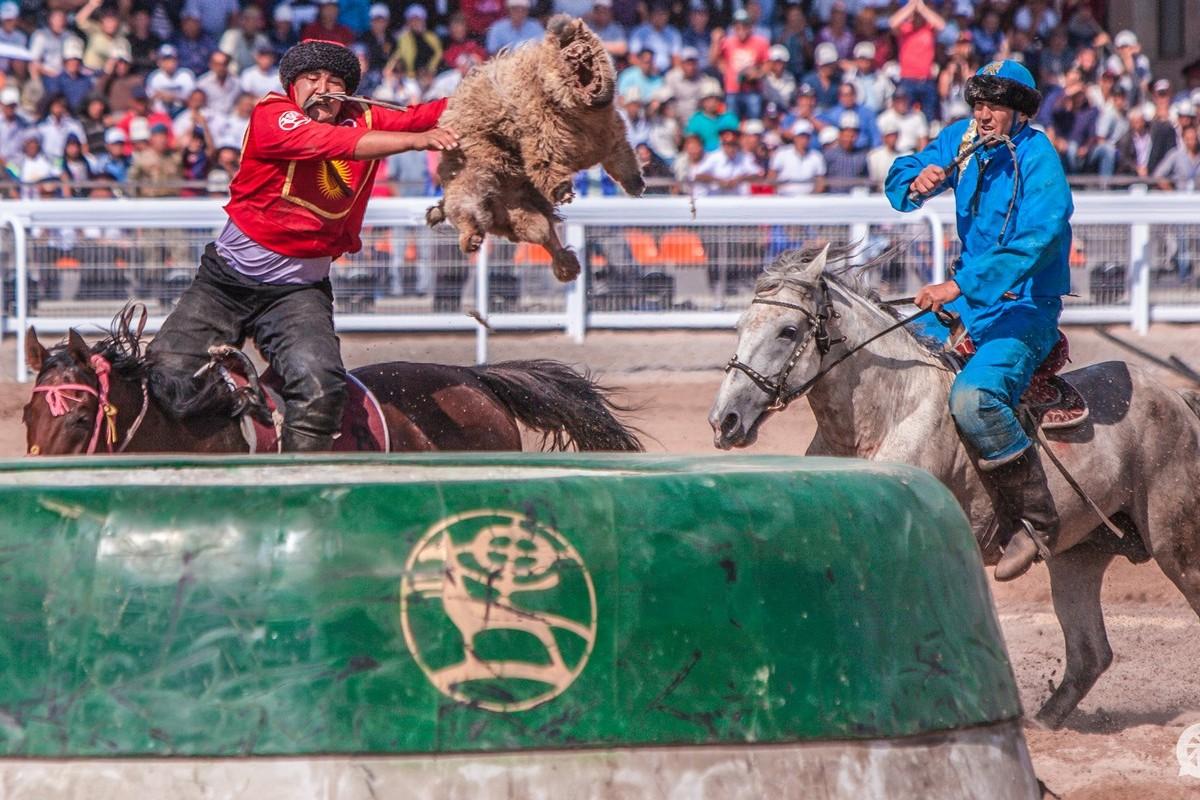
Discover Kyrgyzstan’s horseback sport: Kok-boru rules, the goat or dummy, its UNESCO heritage, differences from Buzkashi, and how to find a match.

In the Tian Shan, burkut hunting brings a hunter and a golden eagle together in a longstanding Central Asian tradition. The eagle, known for its strength and keen eyesight, works alongside the hunter.
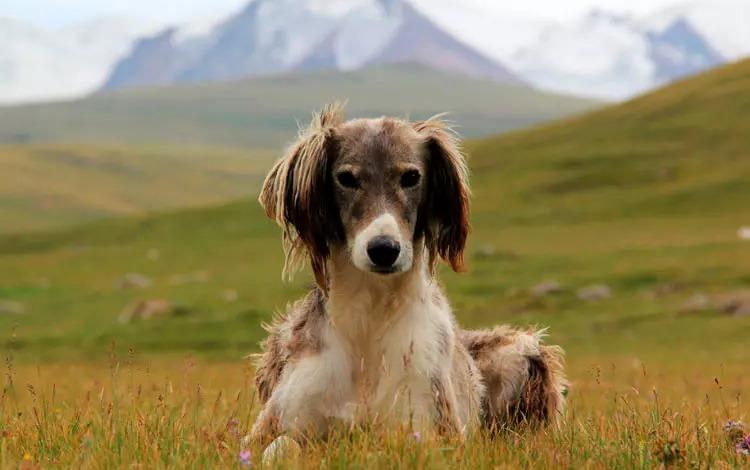
At home in Kyrgyzstan's high mountain pastures, the Taigan is a sighthound associated with the Tian Shan. Also known as the Kyrgyz Taighany or Kyrgyzskaya Borzaya, it is described as a close relative of the Tazy and Saluki and as a traditional hunting companion.
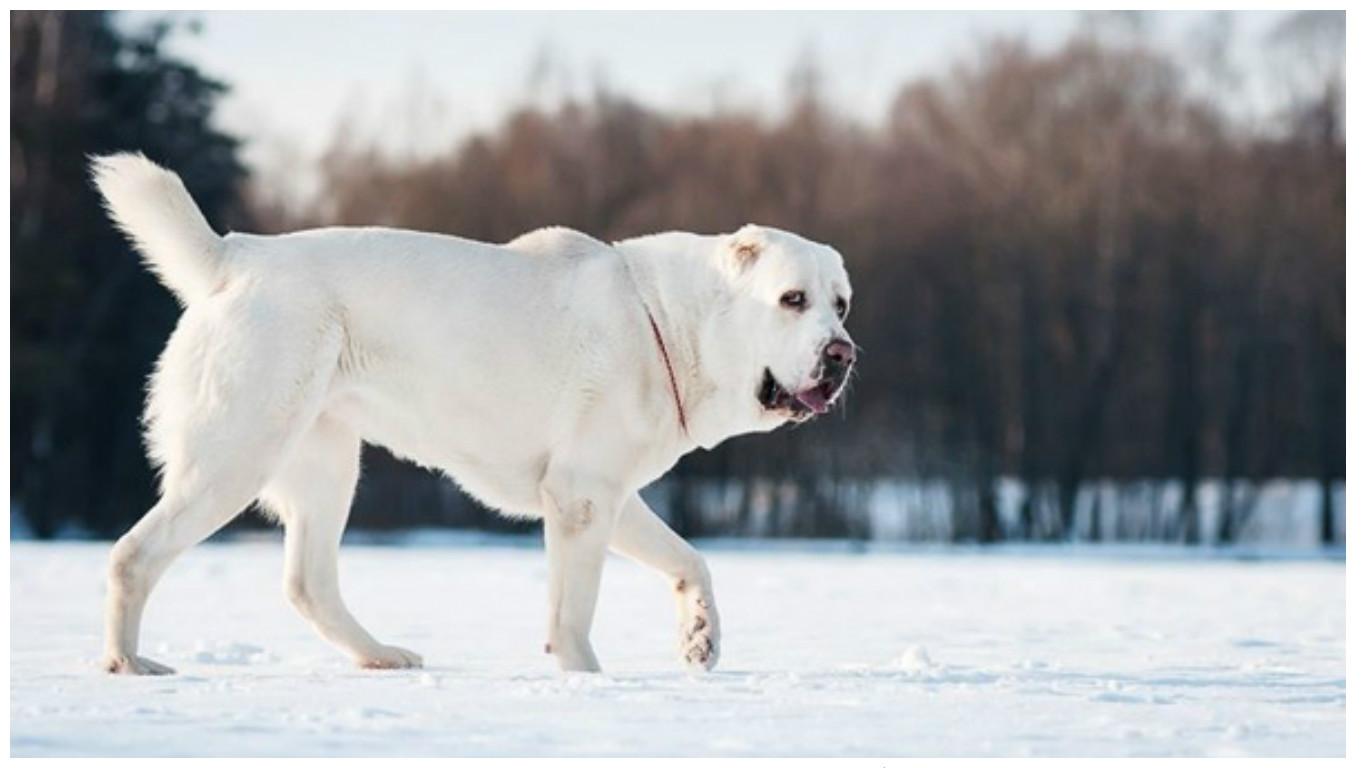
Known across Central Asia as a powerful livestock guardian, the Alabai is a large, independent dog with a strong protective instinct. Learn about the breed’s working background, characteristics, and the care responsible ownership requires.