
History and origins
The roots of the Alabai trace back thousands of years, to the heart of the Central Asian region encompassing countries like Turkmenistan, Uzbekistan, Kazakhstan, Kyrgyzstan, and Tajikistan. Revered for their role as guardians of livestock, property, and families, these dogs have been an integral part of the nomadic cultures that have thrived in these lands. Their origins are shrouded in the mists of time, with some historians suggesting that they are descendants of ancient Mesopotamian and Babylonian dogs. Others point to their close relation to the Tibetan Mastiff, another ancient and revered breed known for its protective instincts.
Appearance and temperament
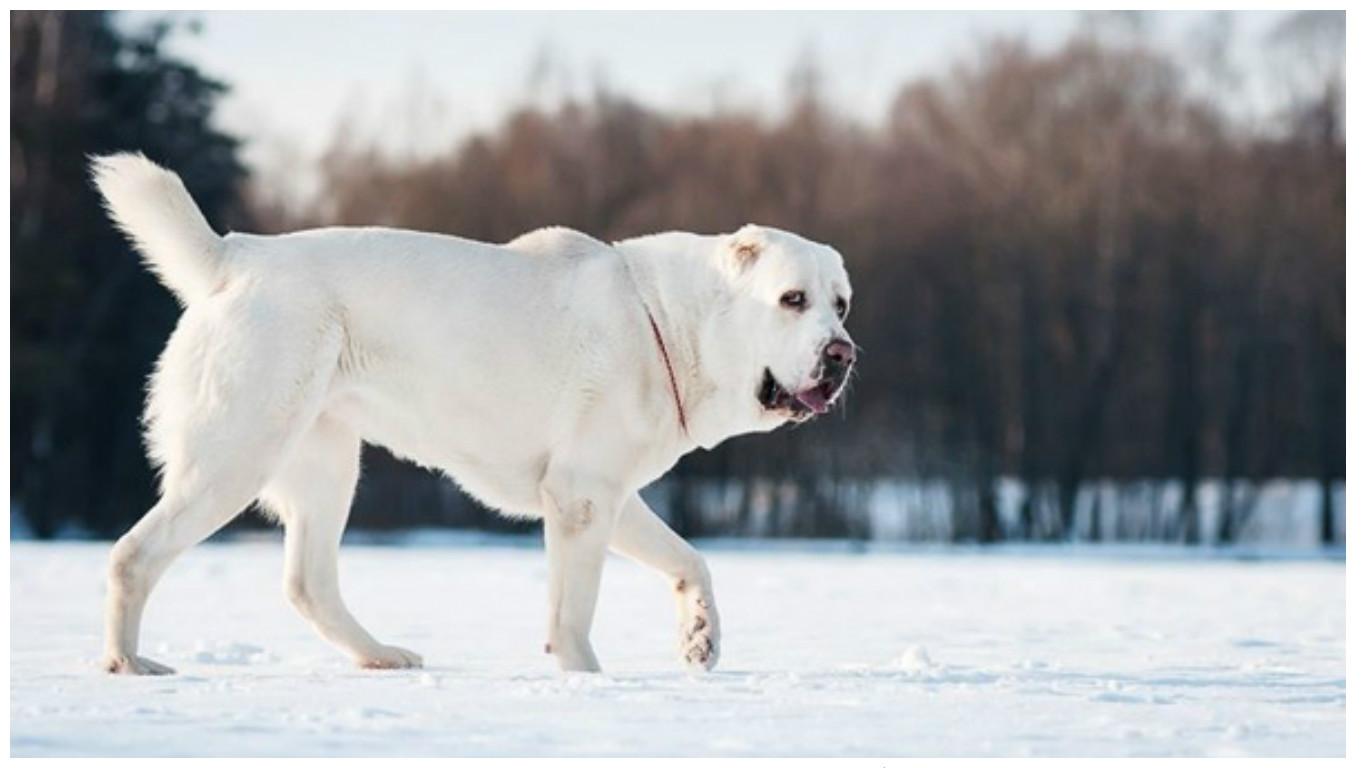
One cannot mistake the Alabai for any other breed; they possess a commanding presence and a robust physique that speaks of their heritage as working dogs. Standing at an impressive height of up to 33 inches (84 cm) at the shoulder and weighing anywhere from 110 to 220 pounds (50-100 kg), the Alabai is a formidable sight. Their coats are a marvel of nature, designed to withstand the harsh climates of Central Asia. Dense, double-layered, and often coming in shades of fawn, brindle, white, or black, their fur provides insulation against both freezing winters and scorching summers. What truly sets the Alabai apart, however, is its temperament. While fiercely protective of its family and territory, these dogs are known for their gentle and affectionate nature towards those they trust. Early socialization is key to harnessing their innate guarding instincts while ensuring they remain well-adjusted companions.
A natural guardian
Ask anyone familiar with the Alabai, and they will recount tales of their legendary protective instincts. Bred for centuries to defend against predators such as wolves and bears, these dogs take their role as guardians seriously. Whether watching over a flock of sheep on the steppes or standing sentinel in a family home, the Alabai is always on alert. Their deep, booming bark serves as both a warning to potential threats and a reassurance to those under their care.
Loyalty and family life
The Central Asian Shepherd Dog is known for its strong attachment to its household, alongside an independent and protective temperament. Its size and guarding instincts make early socialization, consistent handling, and responsible ownership essential. Individual dogs vary, so prospective owners should learn about the breed’s needs before bringing one home.
The breed today
In the modern era, the Alabai continues to excel in its traditional roles as a guardian and protector. They are often employed by law enforcement agencies and military units for their keen senses and unmatched bravery. However, with the passage of time, the challenges faced by the Alabai have evolved. Urbanization and changing lifestyles mean that their traditional jobs are becoming less common. This shift has led to efforts to preserve the breed and find new, suitable roles for them in the modern world.
Preserving the breed
The Central Asian Shepherd Dog remains associated with livestock guarding. Preserving the breed depends on responsible breeding and care that meet each dog’s needs. Its working background continues to shape the role it plays in people’s lives today.